Predictive maintenance intelligence for building facility managers. We tell you which zone to inspect first, and why.
The problem
Missed signals get expensive, fast. The price of being late dwarfs the price of being early.
Coverage gap.
Facility teams can't physically reach every zone every week. Whole portions of the building go unwatched between routine walks.
Caught too late.
A slow leak or moisture buildup is invisible until it's already advanced. Drywall soaked, mold setting in, finishes ruined.
The cost of one water leak · 1,000 sq ft
Caught late · full restoration
$23k to $45k
$3 to $7.50/sqft mitigation + $20 to $37/sqft repair, mold, finishes.
Caught early · mitigation only
$5k to $6k
Localized fix before damage spreads. Up to ~9x cheaper.
Source · Palm Bld · Water Damage Restoration Cost (2026)
Why now
A market that has been quietly accumulating fuel, now ready to ignite.
BMS + IoT everywhere
Sensor adoption is widespread; the data is sitting unused in disconnected silos.
Compute is cheap
Storage and physics-based simulation are now economically feasible at portfolio scale.
Pressure on owners
Insurance, ESG, and capex are tightening. Owners need defensible operating data.
Teams stretched thin
Facility staffing isn't keeping up with portfolio growth. Prioritization is the only lever.
How it works
Reads your building
BMS + sensor streams, drawings, specs, materials, weather, maintenance history. We read the building, not just its sensors.
no rip & replacePhysics + exposure engine
Models moisture flow, weather load, and material degradation against your specific envelope. Defensible day one. ML compounds over time.
explainableDaily prioritization
Morning risk brief: zone-level scores, ranked inspections, evidence per zone. Your team starts the day already executing.
where · what · whyDay-one value
The product isn't prediction, it's prioritization. Immediately useful, even before the ML layer kicks in.
Coverage without hiring
The same team covers more buildings by focusing on the top-risk zones first.
Higher inspection hit-rate
Better signal means fewer wasted walks. More 'we found something real' per hour.
Overnight monitoring
A morning risk brief lets the team start each day with a clear, ranked action plan.
Prioritization, not prediction
We don't promise a crystal ball. We deliver focus, which earns trust before ML kicks in.
Worked example
What landed on the FM team's screen at 9:14 AM. Where, what, when, and what to skip.
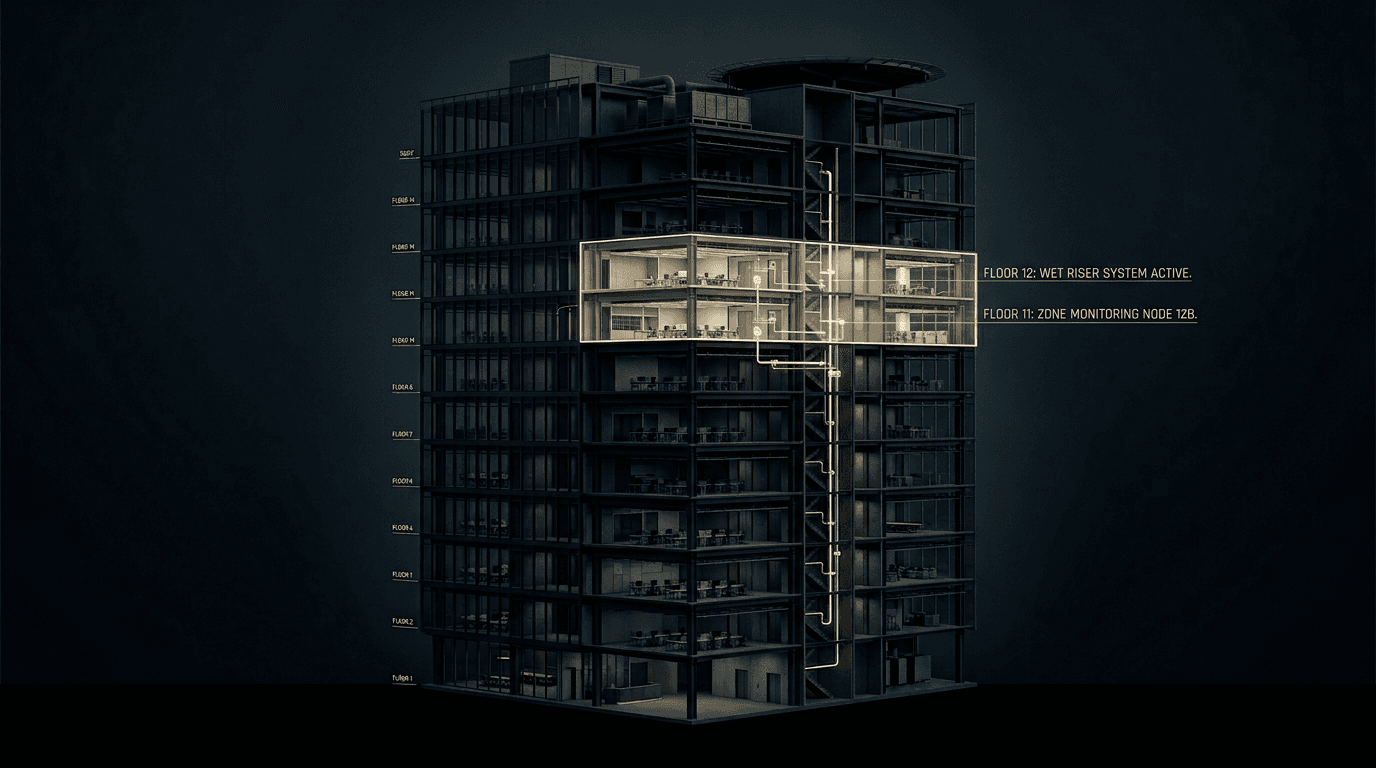
Morning risk brief
Water ingress · F12-N
Where
F12-NORTH · HW-RISER-12
Risk
Water ingress + corrosion
Window
Inspect in 7 to 14 days
Skip
Whole-building waterproofing
Evidence
- Indoor RH (F12-N)↑ 6 weeks
- Rain events5 / 30d
- Rebar cover25 to 35 mm
- HistoryPrior leak, same riser
The dashboard
Every morning, one screen. Where, what, when.
Portfolio
Zones · 6 of 24
- F11-S88
- F12-N62
- F14-E81
- B1-W70
- F08-N92
- F03-S76
Top risk
F12-NORTH · Water ingress
Indoor RH up 6w. 5 rain events in 30d. Prior leak, same riser.
Next move
7 to 14d
Inspect riser HW-12
- Skip waterproofing
- Save ~$140k
- Trail logged
Cards reveal as you scroll, same way the engine builds the brief in the morning.
ROI
Per-sqft pricing, per-incident upside. Industry benchmarks below. Caught early is up to ~9x cheaper than caught late.
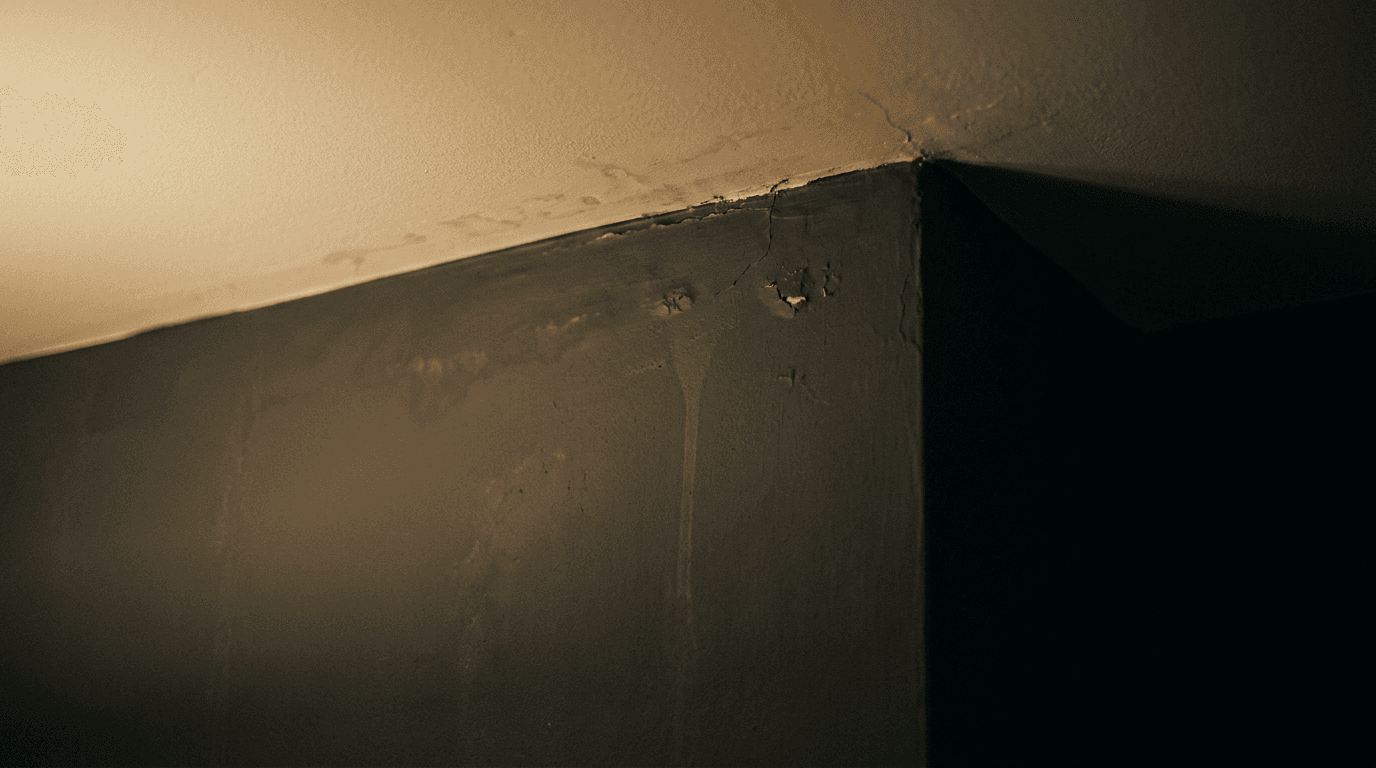
1,000 sq ft water leak · published ranges
Caught late
$23k to $45k
Caught early
$5k to $6k
Up to ~9x cheaper when the leak is localized before it spreads.
Source · Palm Bld · DOE Better Buildings
Architecture
Inputs → engine → daily score, ranked risks, next maintenance window. ML calibrates over time.
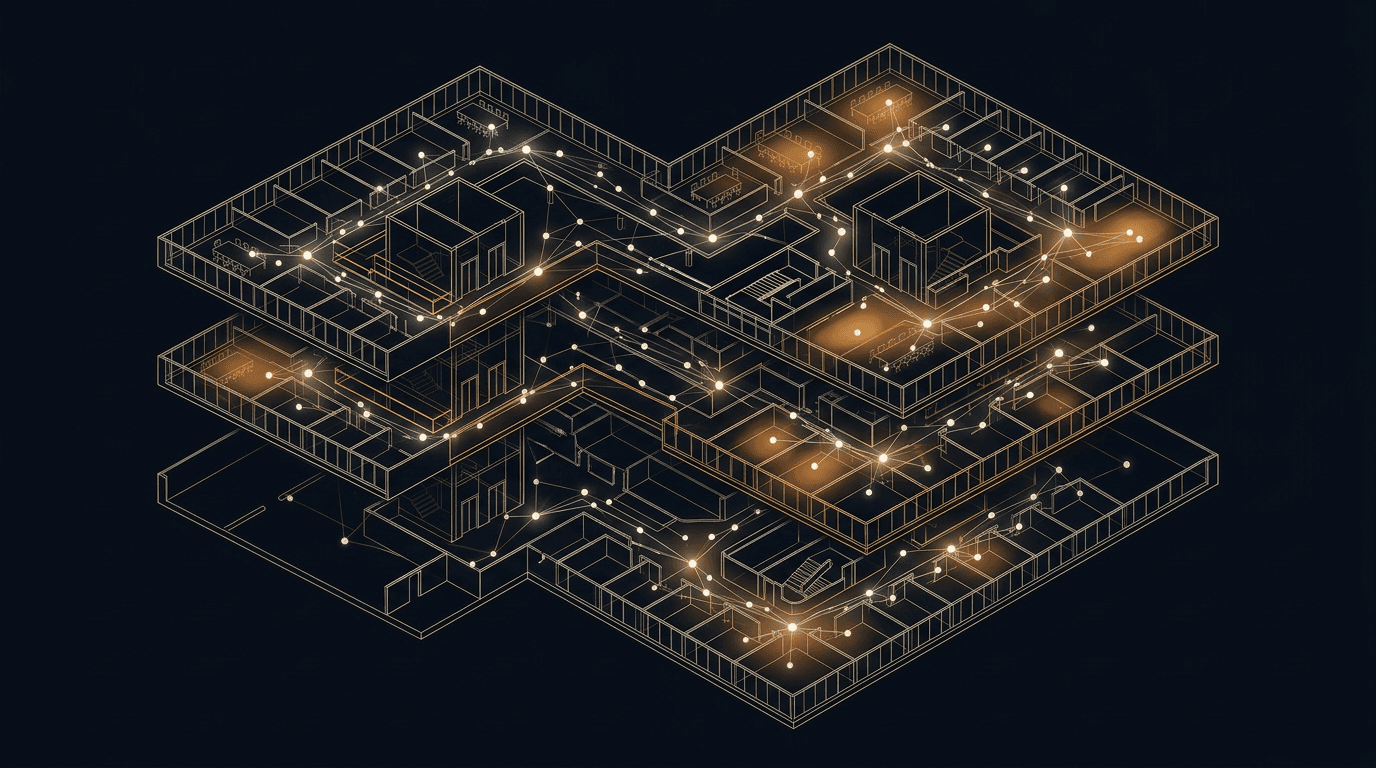
Wedge
Buildings · existing sensors · weather · build records. Then ML.
Not us
HVAC FDD · digital twins · embedded structural sensors. We sit above them, adding the maintenance-risk layer.
FAQ
No. We sit on top. Healthy Infra reads what your BMS, sensors, meters and project records already produce. No rip-and-replace.


In validation · 2026
5 minutes of structured feedback. Or grab a Calendly.